For cooperative governing boards
4 days · 9:30–19:30 · Hotel Oca Puerta del Camino, Santiago de Compostela
Governance Course for Governing Boards of Agri-food Cooperatives
More than 450 members of Governing Boards have taken this course since 2014. As the governing body of a cooperative, Governing Boards face the responsibility of driving the cooperative’s development and competitiveness through a long-term perspective and a strategy grounded in sound business management principles.
Course Profile
A board member is both a member and a supplier. This course exists because of that dual role.
Chairs and Vice-Chairs
Serving Board Members
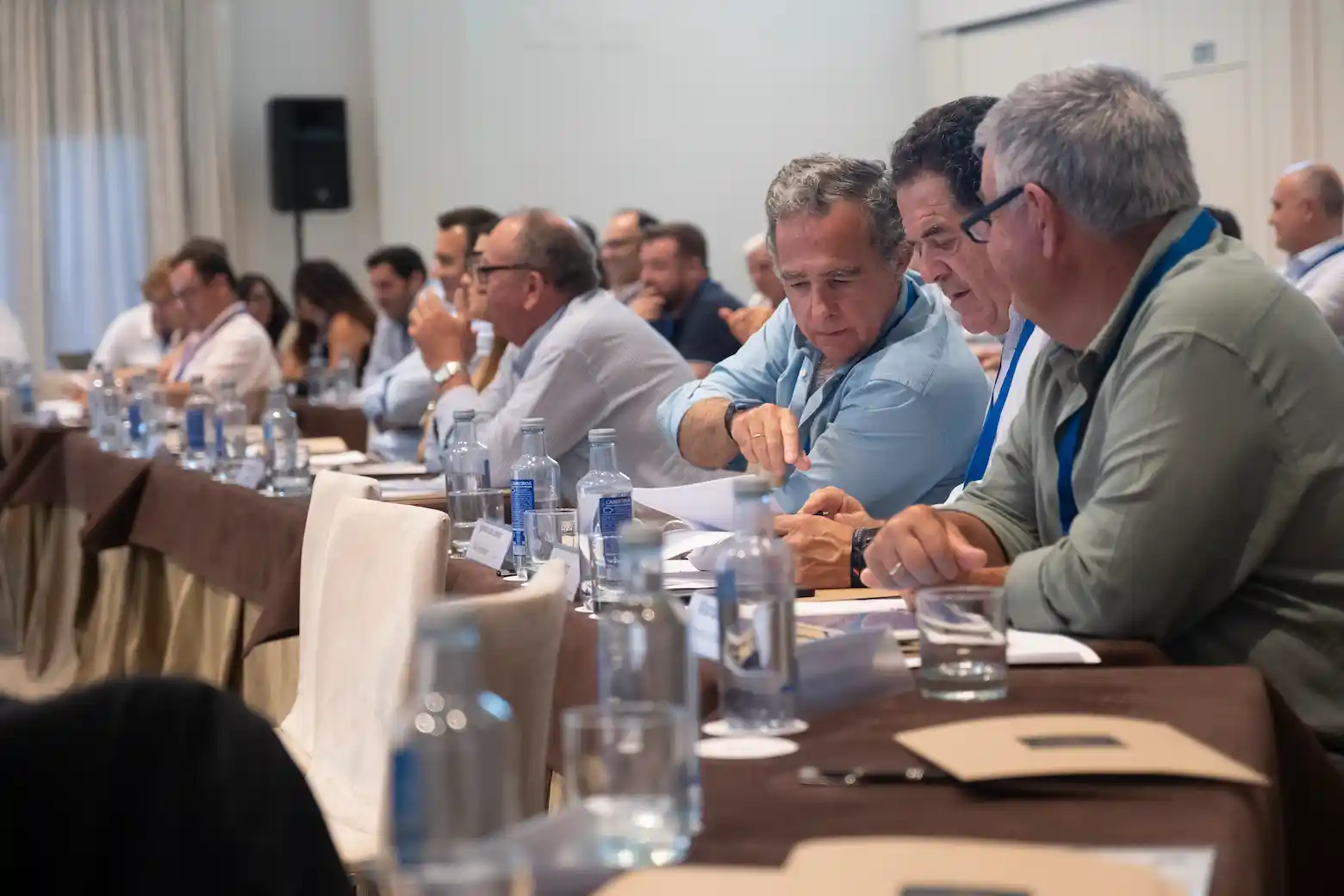
Boards Attending as a Team
What are the objectives of the Cooperatives Program?
Business Environment: Looking Beyond Production
Development: The Numbers a Board Member Must Understand
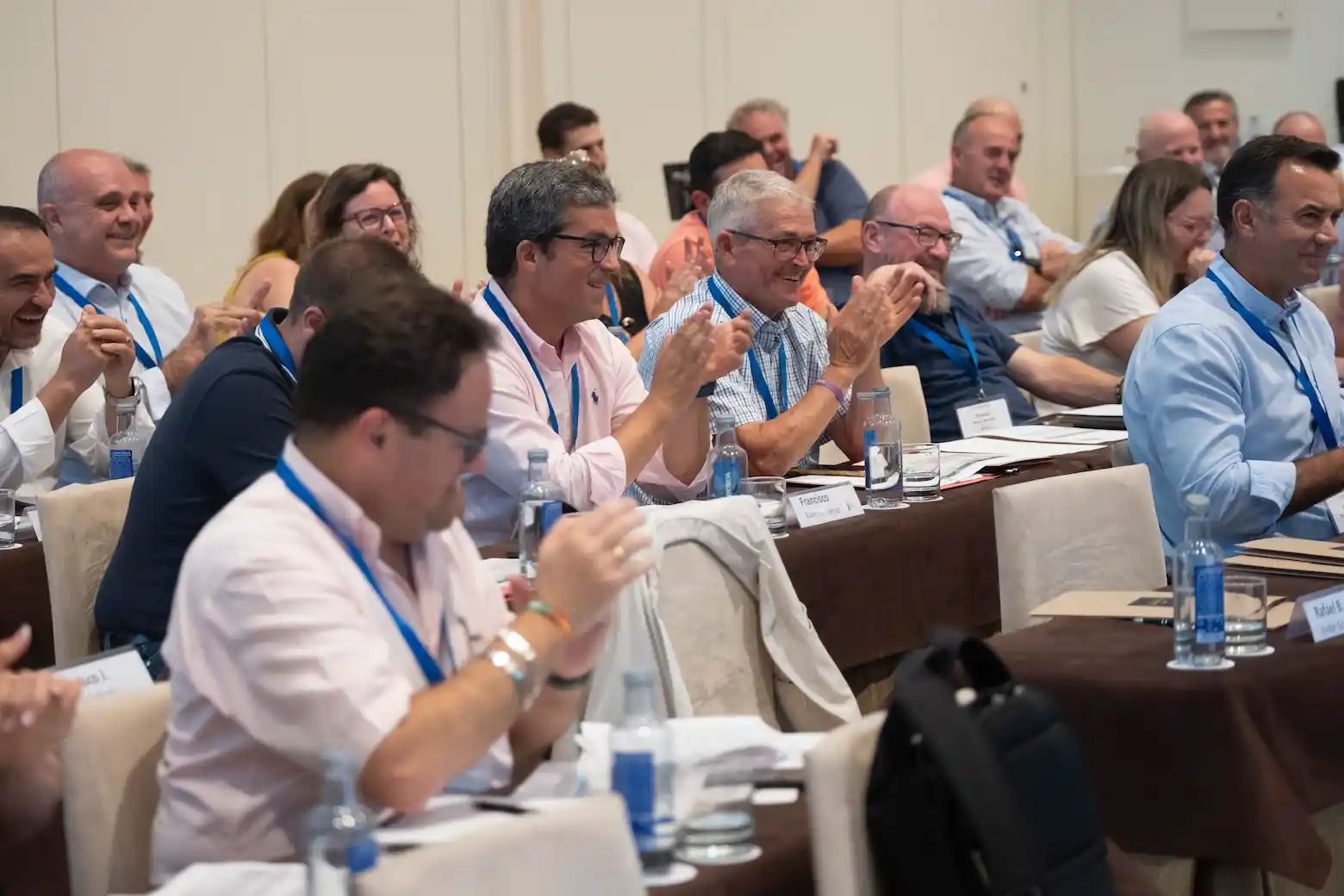
The Classroom: Other Cooperatives Facing the Same Issues
Exchanging experience with Governing Boards from other cooperatives — across different products and regions — is half the value of the course. San Telmo has been developing board members and managers for 40 years: more than 7,500 alumni from the sector, supported by an Advisory Board made up of leading agri-food companies.
Methodology
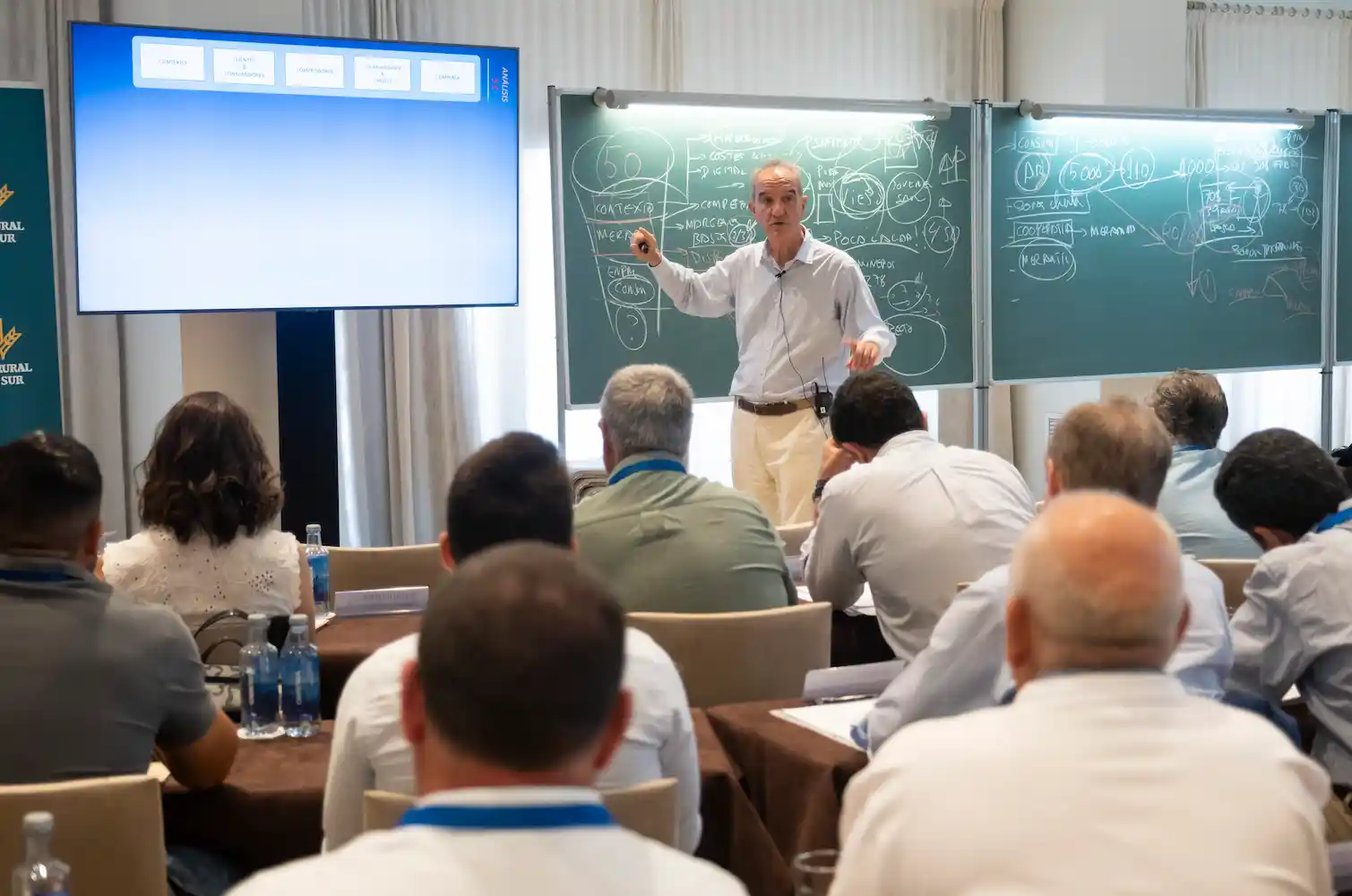
The Case Method, in three stages.
Individual study
Teamwork
General session
Application in your Board
Curriculum
Academic Content
- The business within the global agri-food value chain
- Govern with a market perspective
- Understand customers and distribution channels
- Sustainability and Circularity
From Seed to Plate
- Interpreting and Using Accounting Information
- The Numbers a Board Member Must Know
- Investment and Debt Criteria
- The Governing Board and the Annual Accounts
Original Cases on Cooperatives
San Telmo writes its own cases based on real cooperatives and companies in the sector.
- The Role of the Board Member in Leading the Future
- Board Structure and Its Relationship with Management
- The Conflict of Interest of the Board Member-Supplier
- Oversight and Control: What to Monitor and How
As a Board Team
Several board members from each cooperative attend. The course is designed so that the Board returns aligned, not simply so that one board member returns convinced.
Faculty with first-hand management experience.
Faculty with extensive teaching and management experience in the agri-food sector.
What the chairs of participating cooperatives say
What happens after the course.
REQUEST INFORMATION NOW
Frequently Asked Questions
Can I combine the course with my responsibilities on a Governing Board?
Yes. The course is designed for members of Governing Boards who combine this responsibility with their professional activity within the cooperative.
Its objective is to help board members understand the strategic challenges facing the business, perform their governance role effectively and improve decision-making through a methodology based on the Case Method, individual preparation, teamwork and plenary sessions. The format, spread over four full days, makes attendance easier without requiring a continuous time commitment.
How do I register?
The course is aimed at members of Governing Boards of agri-food cooperatives across every link in the chain: agriculture, livestock, supplies, industry, distribution and services.
We recommend that several board members from the same cooperative attend, as this helps develop a shared perspective and strengthens the work of the Governing Board. Registration is completed through the course form.
How much does it cost?
The standard fee is €3,600. Thanks to sponsorship from Caixa Rural Galega and support from Clusaga, the final fee for participants is €1,800.
Tuition includes academic materials, coffee breaks and lunches.
Where is the course held?
The course is held in Santiago de Compostela, Galicia.
It consists of four sessions, held on 28 October and 4, 11 and 18 November 2026, from 09:30 to 19:30.